
The growth target was clear: nearly double revenue while significantly expanding the team.
On paper, the plan made sense. Demand was strong and opportunities were plentiful. The direction of the company was clear to leadership. As conversations about the future became more detailed, however, a different question emerged:
Could the business actually support that level of growth?
The company had built a successful organization and earned a strong reputation in its industry, but like many growing businesses, much of its operating structure had developed organically over time. Variations in processes and conflicting interpretations of responsibilities led to friction that frequently found its way back to leadership.
The warning signs weren’t dramatic. They appeared in small, everyday moments.
A routine client issue would bounce between departments before someone felt comfortable making a decision. Conflicting ideas of the “ideal candidate” caused hiring processes to drag on. Managers often escalated questions that technically fell within their responsibilities, simply because decision-making authority had never been clearly defined.
Individually, these situations weren’t major problems.
Collectively, they revealed a business that was relying on people to fill operational gaps instead of relying on systems and structure.
As growth accelerated, leadership recognized that adding more clients and employees without addressing those underlying issues would only make the challenges more difficult to manage.
That’s when My Virtual COO stepped in.
Working alongside leadership, we started by looking at organizational structure. Together, we clarified roles, responsibilities, and reporting relationships so employees understood exactly what they owned and managers had clear accountability for outcomes.
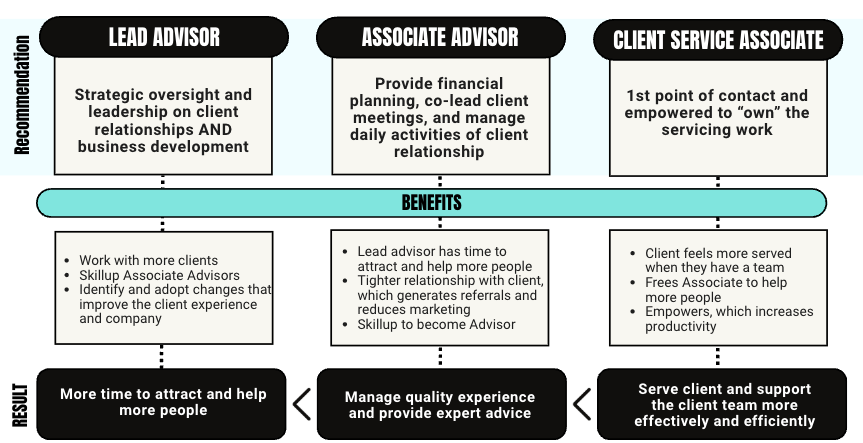
With greater organizational clarity in place, we turned our attention to the client experience. We documented and standardized key processes to ensure consistency across teams. Expectations became clearer, handoffs became smoother, and employees spent less time reinventing processes that should have already existed.
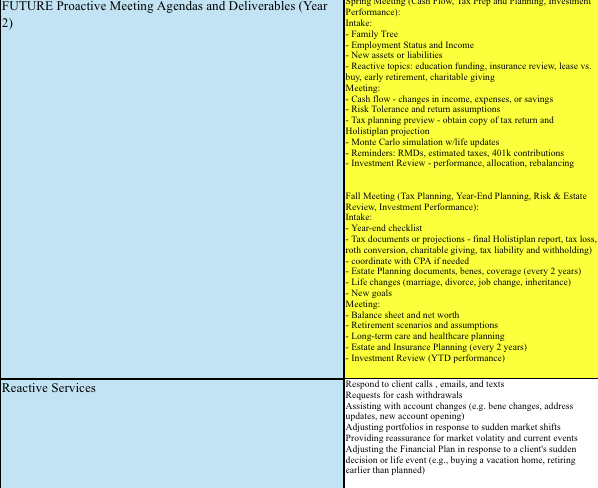
The hiring process also received attention. Rather than relying on subjective evaluations, leadership established clearer role definitions and more consistent evaluation criteria. Recruiting became faster, more predictable, and easier to scale.
The result wasn’t just improved efficiency: the business became easier to lead.
Managers were empowered to make decisions within their areas of responsibility. Employees had greater confidence because expectations were clear. Leadership spent less time solving day-to-day operational issues and more time focusing on strategy and growth.
Most importantly, the company was no longer dependent on a handful of individuals to keep everything moving forward.
By the end of the engagement, the organization had a stronger foundation for growth, a clearer operating structure, and systems designed to support its next stage of expansion.
It’s a lesson we see repeatedly.
Most businesses don’t struggle to grow because demand disappears. They struggle because the organization lacks the systems needed to support that growth.
The companies that scale successfully aren’t necessarily the ones with the best ideas. Instead, they’re the ones willing to build the structure, systems, and accountability needed to support what comes next.