
he business was growing, but the founders were still carrying too much of the day-to-day work.
One was spending hours managing the team, answering questions and keeping the business moving. The other was still handling inbound sales calls, often taking them outside of normal working hours. Important processes lived in people’s heads, and the technology the team already had wasn’t doing nearly as much as it could.
The business had good people and plenty of opportunity. It just needed a better way to operate.
Growth Wasn’t The Problem
The first step was understanding how work actually moved through the business.
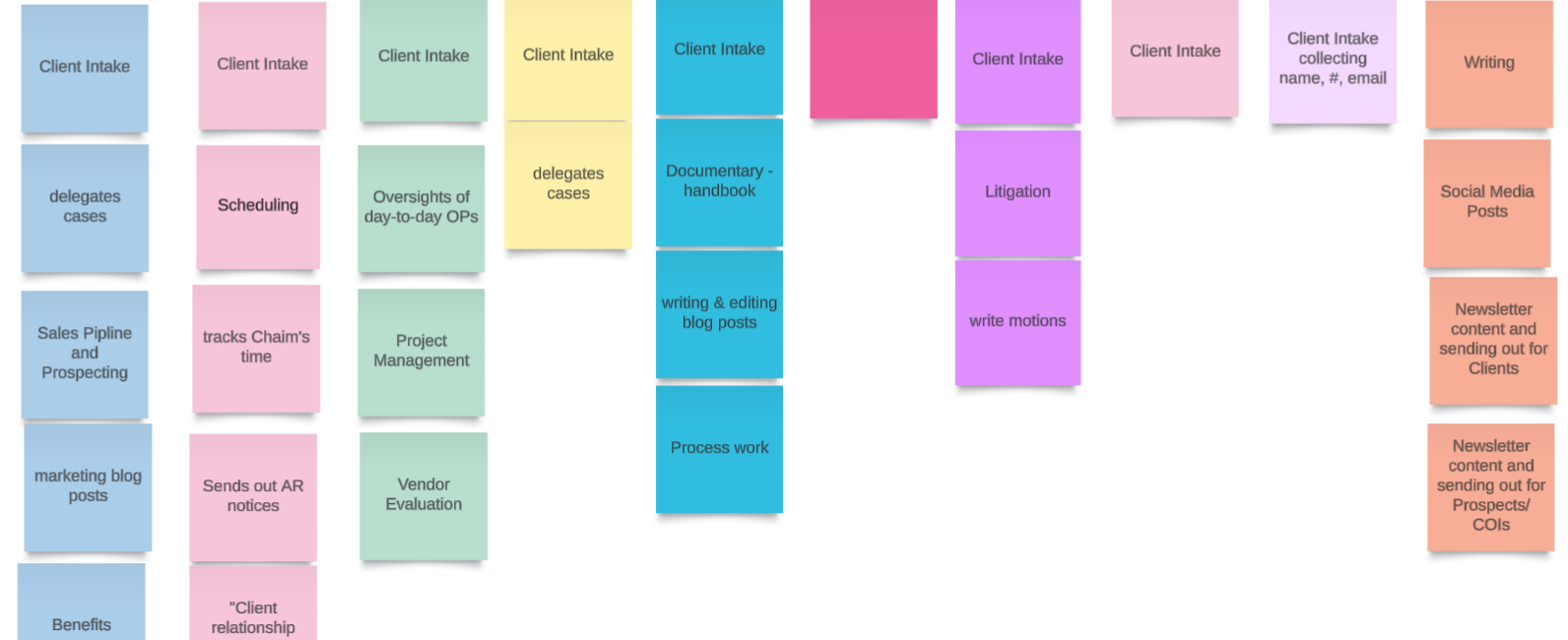
My Virtual COO interviewed the team, mapped roles and responsibilities, reviewed the firm’s processes and technology, and looked closely at where work was getting stuck.
One of the biggest opportunities was intake.
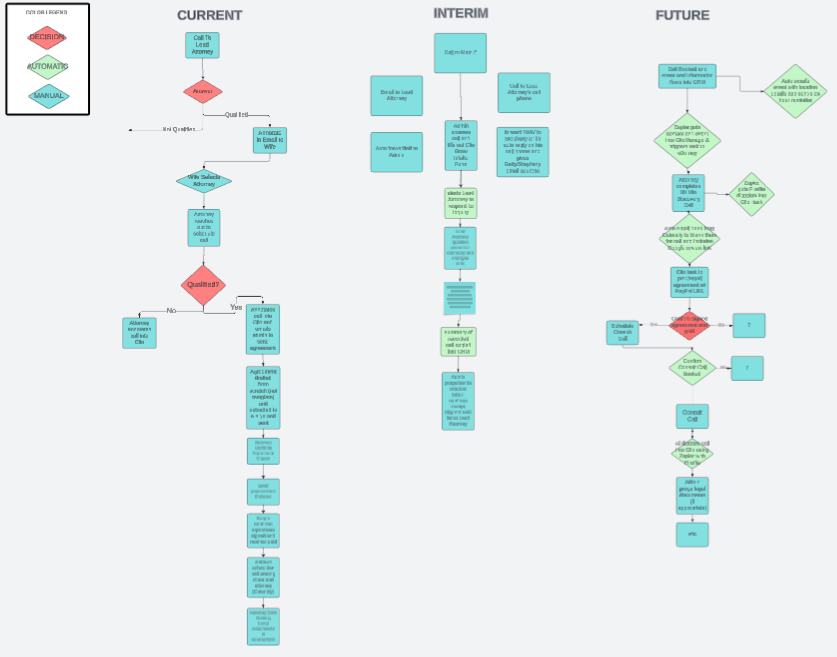
When a potential client called, the path from intake to a signed client involved too much manual work. Calls could end up in voicemail, and follow-up depended on people remembering what needed to happen next. Documentation and tasks weren’t consistently connected to the sales process.
Meanwhile, leadership was spending time filling operational gaps that should have been handled by the team. Instead of adding more people to solve the problem, the focus shifted to making the existing team and systems work better.
Fixing The Bottlenecks
We helped rebuild the intake process around the firm’s CRM, with calls routed to a responsive team and automated tasks and documentation helping move inquiries forward. We also connected payment to the CRM, reducing friction between closing a client and actually collecting revenue.
Behind the scenes, My Virtual COO helped clarify roles, document key processes, establish quality standards and create reporting that gave leadership a much clearer view of the business.
The team was also recalibrated from 9 people to 8. The result wasn’t simply a smaller team. It was a better fit between the people, the work and the needs of the business, creating room for marketing, networking and other growth activities.
As those pieces came together, the founders could finally step away from involvement in every decision.
More Room To Lead
One founder cut roughly 2 hours a day from the time spent managing the business and team.
The other finally got nights and weekends back from handling sales inquiries.
With better processes, sales processes could intake and close new clients faster, and deliverables got out the door sooner. Most of all, the team had clearer direction around how important work should be handled.
Just as importantly, the business maintained its profit and founder distributions while these changes were being made.
The goal was never simply to make the business more efficient. It was to give the founders enough visibility and confidence to step out of the weeds and spend their time where it mattered most: growing the business, developing the team and making better decisions about what comes next.
The business got bigger. The workload got smaller. And the founders finally had more room to lead.